
記事を書いた人:西尾湊太
最近はママ活が人気で、ママ活サイトやアプリが増えています。
結論から先にお伝えすると、ママ活におすすめのサイトやアプリのランキングはこのようになっています!
どんな女性と遭遇しやすいのかも表にまとめました。
あなたの希望する女性と会えるママ活サイトが分かります。
ママ活成功のポイントやママ活の注意点など、ママ活情報もまとめて解説していきます!
これを読めば、初心者でもすぐにママを見つけて稼げるようになりますよ。
| 項目別で決める | |
|---|---|
| 料金が安い | 特典がある |
| 女性が多い | 太ママが多い |
| 安全性が高い | |
| 自分の年代で決める | |
|---|---|
| 20代男性向け | 30代男性向け |
読みたい項目をクリック
あなたに合ったママ活サイトを診断!
利用するママ活によって利用料金や利用者の年齢層、その他サービス内容が異なります。
あなたの好みを診断し、ピッタリのママ活サイトをチェックしましょう!

一度チェックしてみましょう。
- Q1
- あなたの性別を教えてください
ママ活サイト・アプリおすすめ15選の特徴一覧表

| アプリ・サイト名 | 男性料金 | 女性年齢層 | 太ママ遭遇率 |
|---|---|---|---|
 ワクワクメール ワクワクメール |
ポイント制 1P=10円 |
10~40代 | ◎ |
 ハッピーメール ハッピーメール |
ポイント制 1P=10円 |
20~30代 | 〇 |
 Jメール Jメール |
ポイント制 1P=10円 |
20~40代 | ◎ |
 PCMAX PCMAX |
1ヶ月4,300円~ ポイント制 1P=10円 |
10~40代 | ◎ |
 paters paters |
1ヶ月10,800円~ | 10~30代 | 〇 |
 ラブアン ラブアン |
1ヶ月5,000円~ | 20~30代 | △ |
 Desire Desire |
1ヶ月5,980円~ | 30~50代 | 〇 |
 paddy paddy |
1ヶ月10,800円~ | 20~30代 | × |
 SILK SILK |
1ヶ月4,000円~ | 30~50代 | 〇 |
| PJ | 1ヶ月9,800円~ | 10~30代 | △ |
 MITSUMITSU MITSUMITSU |
1ヶ月9,800円~ | 10~30代 | △ |
 華の会メール 華の会メール |
ポイント制 1P=10円 |
30~60代 | △ |
 イククル イククル |
1ヶ月10,800円~ | 20~30代 | × |
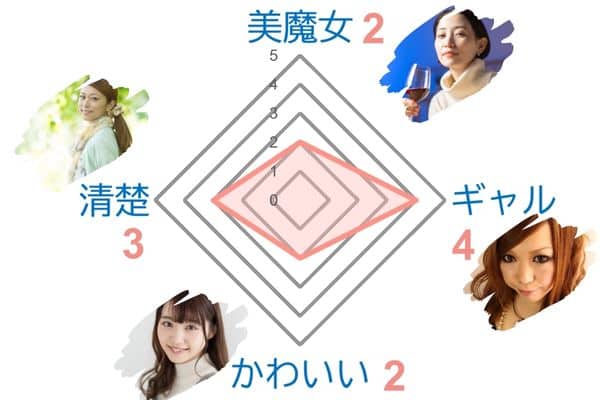
 tinder tinder |
1ヶ月1,200円~ | 20~60代 | × |
 Pairs Pairs |
1ヶ月4,300円~ | 10~40代 | × |
太ママ遭遇率は、実際に出会たママの中でどれだけ太ママがいたかの指標です。
目安としてはこのようになります。
◎は半分以上
〇は3割ほど
△は2割ほど
×は1割以下・全くいない
こちらの図は、アプリ毎の会員数と、実際にママに出会うまでにかかった料金の関係図です。
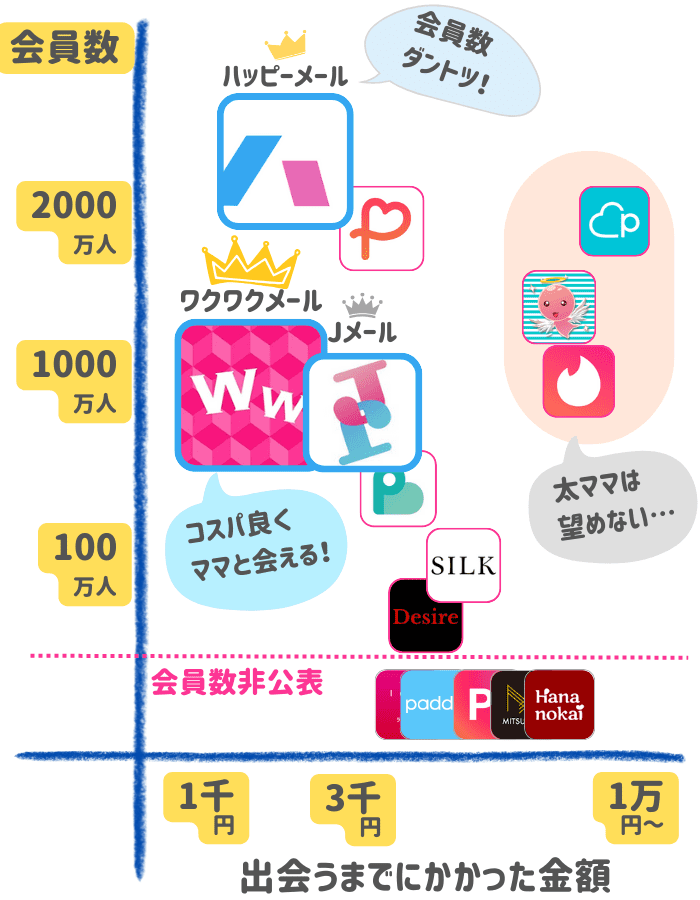
定額会費制のアプリは「○カ月プラン」など、その使用期間中に会えたママの数で割って、料金を算出しています。
出会いやすさの参考にしてください。
たとえ会員数が多くても、「ママ」がいなければ会いにくくなります。
ママ活におすすめのアプリ・サイトランキング【2024年4月】

ママ活で使えるおすすめのアプリ・サイトのランキングはこのようになっています。(2024年4月15日時点)
それぞれの口コミやおすすめポイントを紹介していきます!
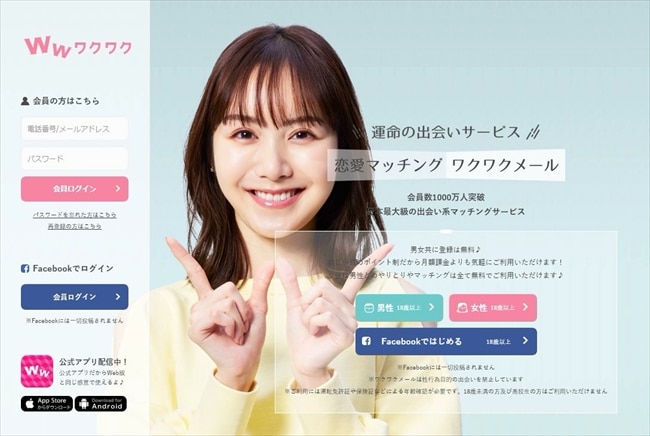
1ワクワクメール
※18歳未満の方は利用できません。
運営実績も長く、信頼性抜群です
基本情報
| URL | https://550909.com/ |
|---|---|
| 会員数 | 1100万人 |
| 男性料金 | ポイント制(1pt=10円) (消費ポイント例) メッセージを送る:5pt 募集の書き込みを見る:1pt プロフ画像を見る:2ptなど |
| 女性料金 | 0円 ※女性同士のやり取り、一部の画像・動画閲覧はポイントが必要 |
| 初回特典 | 1,200円分の無料ポイント付与 |
| その他特典 |
|
| 女性の年齢層 | 女性:20~40代 |
| 男女比 | 男性6:女性4 |
| サービス形態 | アプリ版、Web版 |
| 特徴 | 登録者1,000万人超なので、とても出会いやすく、初心者でもママ活しやすい。若い男性好みの女性も豊富。 |
| 運営会社 | 株式会社ワクワクコミュニケーションズ |
| 運営開始年 | 2001年 |
| 安全への取り組み | 男女とも年齢確認必須 異性紹介事業届出済 電気通信事業届出済 ブロック機能 通報機能 24時間365日監視体制 SSLによる通信の暗号化 |
女性会員の特徴

おすすめポイント
ワクワクメールのおすすめポイント
ワクワクメールには、
支払方法一覧
- 銀行振込
- クレジットカード
- スポンサーサイト登録
- コンビニ
- ゆうちょ振込
- あと払いPaidy(コンビニ/銀行)
など、ポイントを購入する方法がたくさんあります。
スポンサーサイト登録でポイントを増やすこともできるので、余裕がないときでも大丈夫!
また、新規登録で1,200円分のポイントを貰えます。
メールを1回送るためには5ポイント(50円)なので、新規登録分だけで出会うこともできますよ。
月額ではなくポイント制なので、無理しない範囲でママ活が出来るマッチングアプリです。
口コミ・レビュー
ワクワクメールの口コミ・レビュー
評価:★★★★☆
気軽に利用できるのが良いマッチングアプリですね。
募集の書き込みをコツコツしていると、それなりに女性からの反応もあるので気長に利用しています。
評価:★★★★★
加工した写真を掲載している場合が多いけど、それでも魅力的なことが多くて大きなハズレは居ませんね。
評価:★★★★★
使い方次第では、2千円もかからずに会えるのが気に入ってます。
しかも、出会った女の子がかわいい!
評価:★★★★★
女性も多くて、利用していていつも目移りしてしまいます。
ポイント制で無駄にお金を使う必要もないので安心して使えています。
ワクワクメールの
公式サイトはこちら
※18歳未満の方は利用できません。
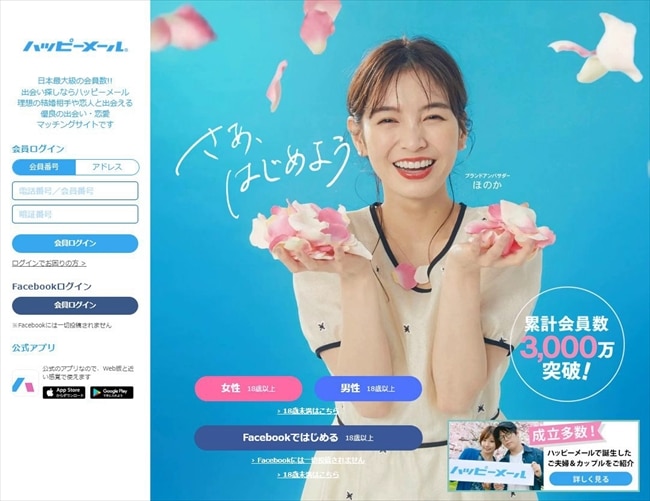
2ハッピーメール
※18歳未満の方は利用できません。
様々な条件に合う出会いが探せるおすすめのマッチングサービスです
基本情報
| URL | https://happymail.co.jp |
|---|---|
| 会員数 | 3,000万人 |
| 男性料金 | ポイント制(1pt=10円) (消費ポイント例) 掲示板への書き込み:5pt メッセージを送る:5pt いいね送信:1ptなど |
| 女性料金 | 0円 |
| 初回特典 | 最大1200円分の無料ポイント付与 |
| その他特典 |
|
| 女性の年齢層 | 女性:20~40代 |
| 男女比 | 男性6:女性4 |
| サービス形態 | アプリ版、Web版 |
| 特徴 | 日本最大級のマッチングアプリで、登録者は3,000万人以上。地方在住者も出会いやすい。若い男性好みの上品な女性も多く見られる。 |
| 運営会社 | 株式会社アイベック |
| 運営開始年 | 2000年 |
| 安全への取り組み | 男女とも年齢確認必須 異性紹介事業届出済 電気通信事業届出済 ブロック機能 通報機能 24時間365日監視体制 SSLによる通信の暗号化 |
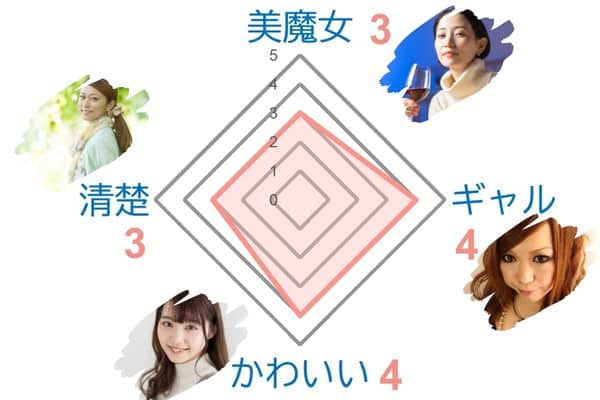
女性会員の特徴
おすすめポイント
ハッピーメールのおすすめポイント
ハッピーメールは、「ハッピーパーティー」や「オンラインパーティー」などのイベントが定期的に行われているのが特徴です。
ハッピーパーティーは実際に会って親交を深めていくので、メッセージのやり取りだけでは伝わらない魅力もしっかり伝えられます。
会員数が3,000万人突破し、都市部だけでなく地方でもスムーズに出会うことができるのがポイント。
他のアプリで出会えなかったという人にもおすすめです。
口コミ・レビュー
ハッピーメールの口コミ・レビュー
評価:★★★★★
怪しい女を見かけなくて、業者に騙される心配をしなくて済むのがいいところです。
それでも会うときは緊張するけど、今のところ問題ないです。
評価:★★★★★
始めてドライブデートにこぎ着けることができました。
相手の女性も緊張していたようだけど、これからの進展に期待出来そうです(笑)
評価:★★★★★
会員数が多いから、利用するのがとにかく楽しいです。
メッセージでも褒めて貰えるし、日記へのコメントから出会いに発展することもできました。
実際に会ったけど、褒めるように徹したらご飯をご馳走してもらいました。
ハッピーメールの
公式サイトはこちら
※18歳未満の方は利用できません。
3Jメール

※18歳未満の方は利用できません。
だから女性との出会いが成功しやすく、おすすめのマッチングサービスです
基本情報
| URL | https://mintj.com/ |
|---|---|
| 会員数 | 1,000万人 |
| 男性料金 | ポイント制(1pt=10円) (消費ポイント例) メッセージを送る:7pt 掲示板を見る:1~3pt 掲示板画像を見る:3pt プロフィールの閲覧:無料 |
| 女性料金 | 0円 |
| 初回特典 | 最大1,000円分の無料ポイント付与 |
| その他特典 |
|
| 女性の年齢層 | 女性:20~40代 |
| 男女比 | 男性6:女性4 |
| サービス形態 | アプリ版、Web版 |
| 特徴 | 20年以上の実績で信頼性が高く、登録者1,000万人だから出会いやすい。悪質ユーザー排除や安全対策も万全。ママ活女性にも人気。 |
| 運営会社 | 有限会社エムアイシー総合企画 |
| 運営開始年 | 2000年 |
| 安全への取り組み | 男女とも年齢確認必須 異性紹介事業届出済 電気通信事業届出済 ブロック機能 通報機能 24時間365日監視体制 SSLによる通信の暗号化 |
女性会員の特徴

おすすめポイント
Jメールのおすすめポイント
新規登録時には最大100ポイントが貰え、メッセージを約14回無料で送ることができます。
気軽に女性を探し始められるので、初心者でも安心です。
まとめ買いがお得ではありますが、1,000円から購入することができるのが特徴。
その時々の余裕に合わせて楽しむことができるから便利です。
会員数600万人以上でアクティブユーザーも多く、全国に利用者がいるから様々なエリアから出会いが探せます。
地元近辺での活動は避けたい人も、利用しやすいマッチングサイトです。
口コミ・レビュー
Jメールの口コミ・レビュー
評価:★★★★★
始めて出会いに成功できたのがJメールでした!
他にも色々な出会い系アプリを使ってるけど、女性の年齢層が少し高めなのが良いのかも。
評価:★★★★☆
普通に年上女性と仲良くなれるし、メッセージのやりとりだけでも暇が潰せるから良いんじゃないかな。
まあ、会えるかどうかは顔の善し悪しもあるから聞かないで。
評価:★★★★☆
なかなかお小遣いが貰えるような女には会えないね。
けどそれほどお金もかからないし、もう少しじっくりと続けてみようと思える気軽さが良いね。
評価:★★★★★
女性会員も多くて魅力ですね。
約束のやりとりも早くできるし、好みのタイプも見つけやすくて便利ですよ。
Jメールの
公式サイトはこちら
※18歳未満の方は利用できません。
4PCMAX
※18歳未満の方は利用できません。
ハイクラス女性との出会いが見つけやすい、おすすめのサイトです
基本情報
| URL | https://pcmax.jp/ |
|---|---|
| 会員数 | 2,000万人 |
| 男性料金 | ポイント制(1pt=10円) (消費ポイント例) メッセージを読む:無料 メッセージを送る:5pt プロフィールを見る:1pt 掲示板に書き込む:5pt |
| 女性料金 | 0円 |
| 初回特典 | 1,200円分の無料ポイント付与 |
| その他特典 |
|
| 女性の年齢層 | 女性:20~40代 |
| 男女比 | 男性7:女性3 |
| サービス形態 | アプリ版、Web版 |
| 特徴 | 20年以上運営する老舗マッチングサービスで、登録者2,000万人以上。直接的なママ活はNGなので、年上女性を食事に誘ってから直接の交渉で。 |
| 運営会社 | 株式会社マックス |
| 運営開始年 | 2000年 |
| 安全への取り組み | 男女とも年齢確認必須 異性紹介事業届出済 電気通信事業届出済 ブロック機能 通報機能 24時間365日監視体制 SSLによる通信の暗号化 |
女性会員の特徴

おすすめポイント
PCMAXのおすすめポイント
会員数が1,700万以上と多いだけではなく、アクティブユーザーが多いのがPCMAXの特徴です。
掲示板には毎日3万件以上の書き込みがあるため、いつ利用しても女性の目にとまりやすいのがポイント。
また、様々なコンテンツが用意されていて、中でも「ひとりごと」「日記」機能は無料で利用できる、きっかけづくりとして優秀なツールとなっています。
口コミ・レビュー
PCMAXの口コミ・レビュー
評価:★★★★★
年上のお姉さんと出会っちゃいましたよ!
初デートも楽しめたし、次の約束も出来たし、順調すぎて怖いです。
評価:★★★★★
相手は30代後半でしたが、とてもキレイな女性でラッキーでした。
会話も盛り上がるし、こんな出会いが見つかるなんて最高だね。
評価:★★★★★
色々な条件がピッタリマッチしたから、隣県だけど車で逢いに行ってます。
ガソリン代も貰えるし、PCMAXで募集して良かったです。
PCMAXの
公式サイトはこちら
※18歳未満の方は利用できません。
5paters(ペイターズ)
※18歳未満の方は利用できません。
簡単に使えてスムーズに出会いに繋がります
基本情報
| 名称 | paters(ペイターズ) |
|---|---|
| URL | https://paters.jp/ |
| 会員数 | 200万人以上 |
| 男性料金 | 定額制 1か月プランの料金 【Web版】 通常:10,800円 ゴールド:21,600円 【アプリ版】 通常:12,000円 ゴールド:24,000円 ※別途オプション機能用の有料ポイントあり |
| 女性料金 | 0円 |
| 初回特典 | – |
| その他特典 |
|
| 女性の年齢層 | 女性:20~30代 |
| 男女比 | 男性3:女性7 |
| サービス形態 | アプリ版、Web版 |
| 特徴 | パパ活アプリで知られるが、ママ活も可能。女性比率が高く、会うことは難しくない。若いママを好む男性向き。 |
| 運営会社 | 株式会社amica |
| 運営開始年 | 2017年 |
| 安全への取り組み | 男女とも本人確認・年齢確認必須 スクショ禁止機能 異性紹介事業届出済 電気通信事業届出済 ブロック機能 通報機能 24時間365日監視体制 最高レベルのセキュリティ「EV SSL」 |
女性会員の特徴

おすすめポイント
patersがおすすめのタイプ
- 会費は気にならない
- デートが楽しめるママが良い
- 若いママが希望
paters(ペイターズ)のおすすめポイント
Patersの女性会員は大学生が多いけど、CAや看護師の割合も3~4位となっているのが特徴。
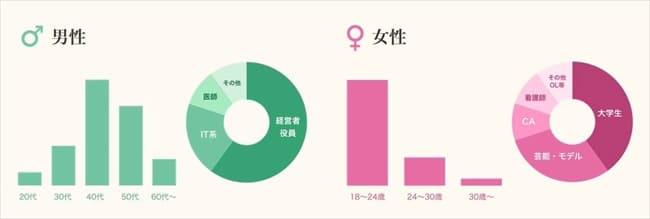
30歳以下の若いママを探している人には、おすすめのマッチングアプリです。
男性会員はパパ活を目的とした40~50代の割合が多いため、20代はとても少ないのがポイント。
若さをアピールすることで、出会いが成功しやすくなりますよ。
不適切な書き込みがないか24時間365日の監視体制で確認しているので、トラブルに巻きまれる可能性も少ないです。
口コミ・レビュー
paters(ペイターズ)の口コミ・レビュー
評価:★★★★★
友達に勧められて使って見たら、思ったよりも楽しめました。
こういったアプリはもっと怪しいと思ってたけど、しっかりしていてびっくりしました。
評価:★★★★☆
有名サービスだけあって、女性会員が多くて目移りするほどです。
でも会費がちょっと高めなので、必要に応じて課金するようにしています。
評価:★★★★★
30代前後の素敵な女性が結構いるので、私の年齢的にもピッタリのマッチングサイトです。
メッセージ交換でも楽しませてくれるし、デートでも満足させてくれるのでお気に入りです。
patersの
公式サイトはこちら
※18歳未満の方は利用できません。
6ラブアン

※18歳未満の方は利用できません。
積極的な女性が多く、出会いが捗るマッチングサービスです
基本情報
| URL | https://lovean.jp/ |
|---|---|
| 会員数 | 非公表 |
| 男性料金 | 定額制 【ゴールド会員】 1か月プラン5,980円 3か月プラン14,940円(4,980円/月) 12か月プラン47,760円(3,980円/月) 【プラチナ会員】1か月プラン17,800円 3か月プラン41,400円(13,800円/月) 12か月プラン141,600円(11,800円/月) |
| 女性料金 | 0円 |
| 初回特典 | 【ゴールド会員】 3日間600円でお試し(通常5,980円/月) 【プラチナ会員】 3日間1,800円でお試し(通常17,800円/月) |
| その他特典 | ※不定期でキャンペーンを開催 (例)契約期間の延長キャンペーン(3ヶ月プラン→4か月など)、友達紹介キャンペーン、最大60%OFF、など。 |
| 女性の年齢層 | 女性:20~30代 |
| 男女比 | 非公表 |
| サービス形態 | Web版 |
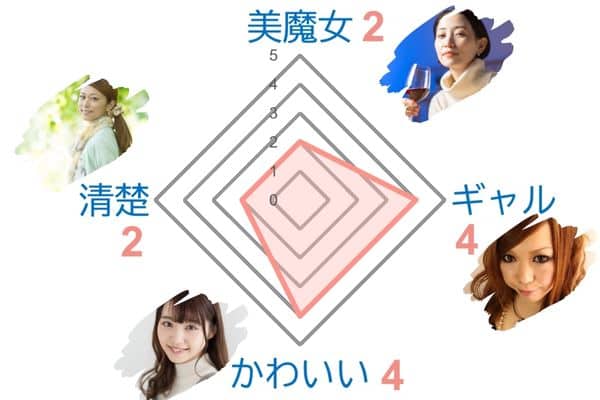
| 特徴 | 位置情報マッチングで出会いやすさをアシスト。検索機能が充実し、投稿数やメッセージでじっくり選べる。若い女性が多い。 |
| 運営会社 | 株式会社Blueborn |
| 運営開始年 | 2019年 |
| 安全への取り組み | 男女とも本人確認・年齢確認必須 異性紹介事業届出済 電気通信事業届出済 ブロック機能 通報機能 24時間365日監視体制 SSLによる通信の暗号化 |
女性会員の特徴
おすすめポイント
ラブアンがおすすめのタイプ
- オンライントークで女性を口説く自信がある
- 主要都市でママを探している
- ママ活を焦っていない
ラブアンのおすすめポイント
男性会員には3種類あり、無料会員・ゴールド会員・プラチナ会員に分かれています。
無料会員だとメッセージ交換はできませんが、1日1回女性に「いいね」を送ることは可能です。
少し割高になりますが、有料会員には1カ月プランも。
早くママを見つけられれば、その分負担を少なくできるお得なマッチングサービスです。
女性はプロフィールに動画を設定することも可能なので、写真だけでは伝わらない雰囲気が分かるのもポイント。
また、業界で初めてオンラインでトークできる機能も導入。
実際に会えないときでも、気軽にママ活ができますよ。
口コミ・レビュー
ラブアンの口コミ・レビュー
評価:★★★☆☆
プロフィール動画は良いけど、時間が短すぎてあまり役に立たないことも多いです。
だからオンライン顔合わせを始めたのかも。
全体的に女の子のレベルは高いと思う。
評価:★★★★★
どんどんと脈がありそうな女を見つけるには、やっぱりプラチナになるしかないですね。
定額で使えると思えば、他と比べても高くはないし良いと思います。
評価:★★★★★
たまに1ヶ月だけ有料会員になりますが、それでも充分に出会いを見つけられるので満足しています。
普段は無料会員にしておけば、利用できなくても焦らずに済むから安心していられます。
評価:★★★★★
オンラインでお話ができるので、事前にどんな女性かある程度わかるから会いに行く際も安心感があります。
写真だけだとごまかせるので、こういった機能はありがたいです。
ラブアンの
公式サイトはこちら
※18歳未満の方は利用できません。
7Desire(デザイア)

※18歳未満の方は利用できません。
基本情報
| URL | https://www.man-desire777.com/ |
|---|---|
| 会員数 | 2万5千人以上 |
| 男性料金 | 定額制 【スタンダード会員】 5,500円/月 【ゴールド会員】 1か月プラン7,700円 3か月プラン20,790円(6,930円/月) 6か月プラン39,270円(6,545円/月) 12か月プラン73,920円(6,160円/月) |
| 女性料金 | 0円 |
| 初回特典 | – |
| その他特典 | – |
| 女性の年齢層 | 女性:30~50代 |
| 男女比 | 非公表 |
| サービス形態 | Web版 |
| 特徴 | ママ活専用サイトだけあって、若い男性と交際したい女性が多い。安全対策や個人情報保護は万全、メッセージは送り放題。本気で稼ぎたい人向け。 |
| 運営会社 | 株式会社侍 |
| 運営開始年 | 2021年 |
| 安全への取り組み | 男女とも本人確認・年齢確認必須 異性紹介事業届出済 電気通信事業届出済 ブロック機能 通報機能 24時間365日監視体制 SSLによる通信の暗号化 |
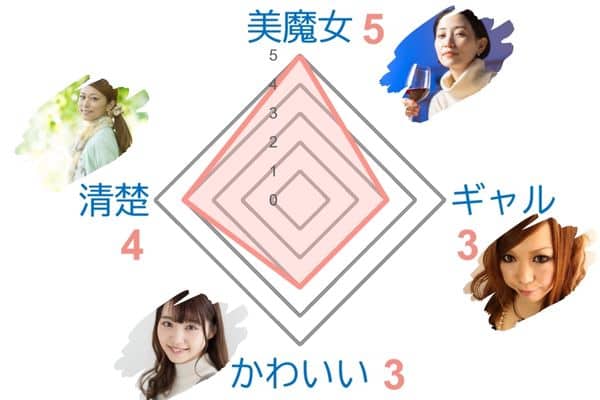
女性会員の特徴
おすすめポイント
Desire(デザイア)がおすすめのタイプ
- 早くママを見つけたい
- 他のママ活アプリと併用で使う
- ライバルが多くないところを探している
Desire(デザイア)のおすすめポイント
Desireの最大の魅了は、登録している女性のほとんどがママ活を希望している点です。
他のマッチング系であれば、ママ活以外の関係を求める女性もたくさんいます。
初めてママ活する方にとっては見極めが難しく、かなりの時間を使ってしまうことも。
Desireであれば、年下男性との出会いを求めた女性しかいないので、スムーズにママ活が可能です。
サービスを開始して2年ほどなのでまだ登録者はそこまで多くないのが現状ですが、少しずつ口コミなどで広がっているので、登録するのであれば早めがおすすめです!
口コミ・レビュー
Desire(デザイア)の口コミ・レビュー
評価:★★★★★
女性もママ活メインの方が多いので他の出会いサイトよりもスムーズにできるので最高です!
評価:★★★★★
運営もしっかりしているので、いまのところ業者から連絡が来たことはあまりありません。
すぐにママを見つけることもできるのでいいですね。
評価:★★★★☆
大手のマッチングアプリと比べるとママの数は少ないけど、確実にママが見つかるのでいい!
最近はライバルが増えてきたので、その分マイナス1しました。
評価:★★★★☆
ニックネームで登録できるんでありがたいです。
Desireの
公式サイトはこちら
※18歳未満の方は利用できません。
8paddy(パディ)

※18歳未満の方は利用できません。
基本情報
| URL | https://www.paddy67.today/ |
|---|---|
| 会員数 | 非公表 |
| 男性料金 | 1か月プラン6,500円 3か月プラン14,800円(4,800円/月) 6か月プラン24,800円(3,800円/月) 12か月プラン34,800円(2,800円/月) ※別途ポイント課金あり(1P=96円~) |
| 女性料金 | 0円 |
| 初回特典 | 契約プラン別にポイント付与 1か月プラン:50P 3か月プラン:80P 6か月プラン:200P 12か月プラン:500P |
| その他特典 |
|
| 女性の年齢層 | 女性:20~30代 |
| 男女比 | 男性4:女性6 |
| サービス形態 | アプリ版、Web版 |
| 特徴 | 毎日10,000組のペアが誕生するなど出会いが豊富。業者の徹底排除、個人情報保護、約束機能でドタキャン回避などで安心。 |
| 運営会社 | 株式会社オスリー |
| 運営開始年 | 2017年 |
| 安全への取り組み | 男女とも本人確認・年齢確認必須 異性紹介事業届出済 電気通信事業届出済 ブロック機能 通報機能 24時間365日監視体制 SSLによる通信の暗号化 |
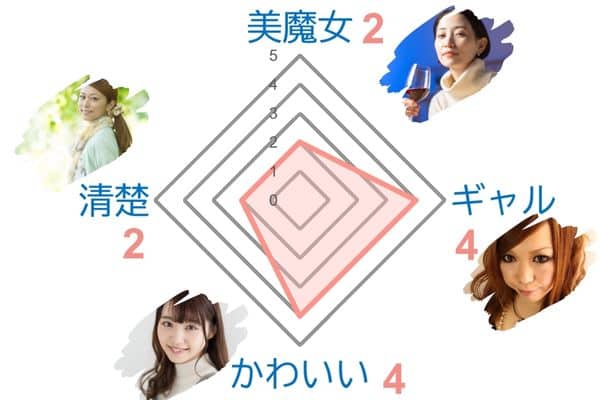
女性会員の特徴
おすすめポイント
paddyがおすすめのタイプ
- 身バレをしたくない
- 若いママを狙っている
- 会費は高くても素敵な女性と会いたい
paddy(パディ)のおすすめポイント
女性の80%が18~24歳までと、若いママ探しにおすすめのマッチングアプリです。
男性にも無料会員プランがあり、いくつかのサービスは利用することができます。
しかも初回だけ無料でメッセージ交換が可能。
女性から返事をもらえたら、その時に有料会員になってやりとりを続けることができます。
見込みのある女性が見つかるまでは、無料会員で済むのでおすすめです。
また、カレンダーからすぐに会える相手を絞り込む機能もあるので、効率的に出会いを探せますよ。
口コミ・レビュー
paddy(パディ)の口コミ・レビュー
評価:★★★★★
空いている日時から簡単に絞り込めるので、すぐにマッチングできるのでよく利用します。
急に予定が空いたときには、まずpaddyで検索するようにしています。
評価:★★★★★
利用料金が気になりますが、それだけ女性も多いし仕方ないのかな。
条件次第だけど、若い子とも会えるから、課金しても後悔しなくて済みます。
評価:★★★★★
マッチングアプリは初めてですが、とっても簡単に会う約束ができるんですね。
安全性も高そうだし、しばらくは使って見ようと思います。
paddyの
公式サイトはこちら
※18歳未満の方は利用できません。
9SILK(シルク)

※18歳未満の方は利用できません。
基本情報
| URL | https://silk-jp.com/ |
|---|---|
| 会員数 | 100万人 |
| 男性料金 | 定額制 1週間プラン4,800円 1か月プラン6,800円 3か月プラン10,200円(3400円/月) 6か月プラン14,800円(2467円/月) 12か月プラン28,800円(2400円/月) ※別途オプション機能用の有料ポイントあり |
| 女性料金 | 0円 |
| 初回特典 | 初回無料登録で2300Pもらえる |
| その他特典 | ログインボーナス 無料会員は300P 有料会員は500P |
| 女性の年齢層 | 女性:30~50代 |
| 男女比 | 非公表 |
| サービス形態 | アプリ版 |
| 特徴 | 登録者100万人のママ活アプリで、有料会員の99.7%がデートまで1か月以内。本人確認ができた人とのみメッセージ交換ができるので、安全性は高い。 |
| 運営会社 | SPIKE Networks Pte. Ltd. |
| 運営開始年 | 2018年 |
| 安全への取り組み | 男女とも本人確認・年齢確認必須 異性紹介事業届出済 ブロック機能 通報機能 24時間365日監視体制 SSLによる通信の暗号化 |
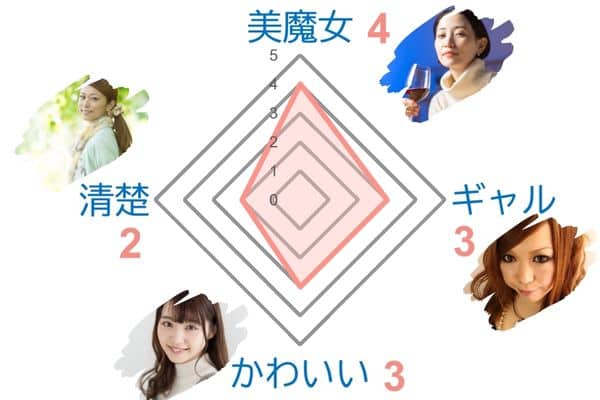
女性会員の特徴
おすすめポイント
SILK(シルク)がおすすめのタイプ
- ママ活専用サービスが安心
- 年上の女性に慣れている
- 他の男性会員よりモテる自信がある
SILK(シルク)のおすすめポイント
SILKに登録している男性会員には大学生が多いのが特徴です。
そのため、若さをアピールしても出会いには繋がらない傾向があります。
プロフィールを作成する際は、他のアピール方法を考えておくのが成功のコツです。
女性会員は30~40代が多く、ママを探すにはあまり苦労しません。
メッセージ交換は年齢の確認ができる公的身分証明書を提出した人のみ。
だから騙される心配のない、おすすめのママ活サイトです。
口コミ・レビュー
SILK(シルク)の口コミ・レビュー
評価:★★★★★
同世代がライバルになるから、素敵な女性を狙ってもなかなか会えませんね。
でもちょっと年齢層を上げるとかすると、それなりにデートに行けるようになります。
評価:★★★★★
年下の男を狙ってくる女性が多いからか、いいねを結構貰うことができるのが嬉しいですね。
他のアプリだと、こっちが送っても無視されることが多いので、楽しく利用できるアプリだと思います。
評価:★★★★☆
本当にママが多くて見ているだけでも楽しい!
ただ、近くにある大学など、地域差も大きい気がして、住んでいるエリアによってはあまり見つからないかもです。
10PJ(ピージェイ)

※18歳未満の方は利用できません。
基本情報
| URL | https://pj88.jp/ |
|---|---|
| 会員数 | 非公表 |
| 男性料金 | 【Web版】 3か月プラン21,900円(7,300円/月) 6か月プラン37,800円(6,300円/月) 12か月プラン54,000円(4,500円/月) 【アプリ版】 1か月プラン9,800円 3か月プラン24,800円(8267円/月) 6か月プラン42,800円(7133円/月) |
| 女性料金 | 0円 |
| 初回特典 | 契約プラン別にポイント付与 3か月プラン:30P(14,040円相当) 6か月プラン:100P(21,000円相当) 12か月プラン:300P(42,000円相当) |
| その他特典 | ログインボーナス1日1~3ptもらえる |
| 女性の年齢層 | 女性:20~30代 |
| 男女比 | 非公表 |
| サービス形態 | アプリ版、Web版 |
| 特徴 | 秘密の恋ができるマッチングアプリ。会いたい日から探せる機能が魅力。メッセージ交換は本人確認ができた人のみのため、安全性が高い。 |
| 運営会社 | 株式会社エクリプス |
| 運営開始年 | 2019年 |
| 安全への取り組み | 男女とも本人確認・年齢確認必須 異性紹介事業届出済 電気通信事業届出済 ブロック機能 通報機能 24時間365日監視体制 SSLによる通信の暗号化 |
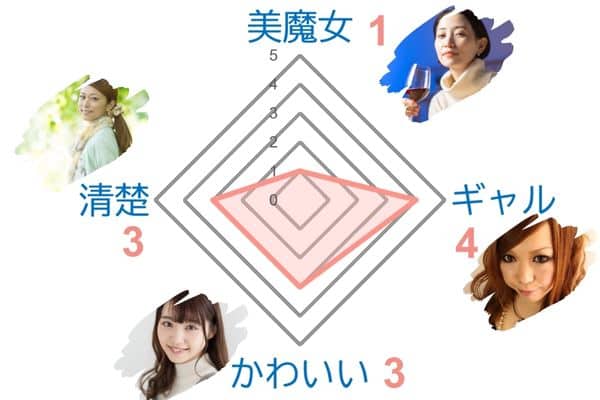
女性会員の特徴
おすすめポイント
PJ(ピージェイ)がおすすめのタイプ
- 業者やサクラに騙されたくない
- 身バレせずにママ活を行いたい
- ハイクラスのママを希望
PJ(ピージェイ)のおすすめポイント
女性のプロフィールには動画機能があり、写真のような加工が難しいので、見極めにとても便利です。
プライベートモード機能が搭載されていて、身バレの心配も少ないのが特徴。
人妻や女性経営者などが見つけやすい、おすすめのママ活マッチングアプリです。
プロフ画像や自己紹介の事前審査に加え、24時間365日の監視体制をとっています。
業者やサクラの心配が少なく、安心して出会うことができますよ。
口コミ・レビュー
PJ(ピージェイ)の口コミ・レビュー
評価:★★★★★
月額制だから初めは値段が高いなっていう思いもありました。
でも試しに1ヶ月だけ利用して見たら出会いが成功したんですよ。
それから半年単位で利用するようにしたけど安く感じるほど良いアプリです。
評価:★★★★★
早い場合はいいねを送ってから、2~3日で会えるのが手軽でお気に入りです。
面倒なやりとりが最小限で済むので、隙間時間にもどんどんと利用できるのが良いです。
評価:★★★★☆
動画機能というのを期待してましたが、あまり役に立ってないような。
普通の女性だから、自撮り動画をアップしている人数が限られるんですよ。
しかも可愛い子がいると、男も集中するし、普通に写真も含めてチェックしてます。
評価:★★★★★
出会い系サービスは、利用がバレるのが心配だったけど、こっそりと利用しやすいのが良いです。
ハイスペックママも見つかるし、素敵な出会いを楽しんでます!
11MITSUMITSU(ミツミツ)

※18歳未満の方は利用できません。
社会的な立場のある女性も利用しやすく出会いにピッタリです
基本情報
| URL | https://lp.mitsumitsu-app.com/ |
|---|---|
| 会員数 | 非公表 |
| 男性料金 | 【定額プラン】 1か月プラン6,500円 3か月プラン14,800円(4,800円/月) 6か月プラン24,800円(3,800円/月) 12か月プラン34,800円(2,800円/月) 【ポイントプラン】 100P=1,480円 300P=3,540円 500P=5,740円 1000P=10,500円 |
| 女性料金 | 0円 |
| 初回特典 | – |
| その他特典 |
【定額有料会員特典】
|
| 女性の年齢層 | 女性:20~30代 |
| 男女比 | 男性6:女性4 |
| 年収証明 | なし |
| サービス形態 | アプリ版、Web版 |
| 特徴 | デート希望日の送信機能で、業界最短でデートまで成立。プロフィールは公開制限ができ、身バレも防ぎやすくなっている。 |
| 運営会社 | 有限会社ルードゥス |
| 運営開始年 | 2019年 |
| 安全への取り組み | 男女とも本人確認・年齢確認必須 異性紹介事業届出済 電気通信事業届出済 ブロック機能 通報機能 24時間365日監視体制 SSLによる通信の暗号化 |
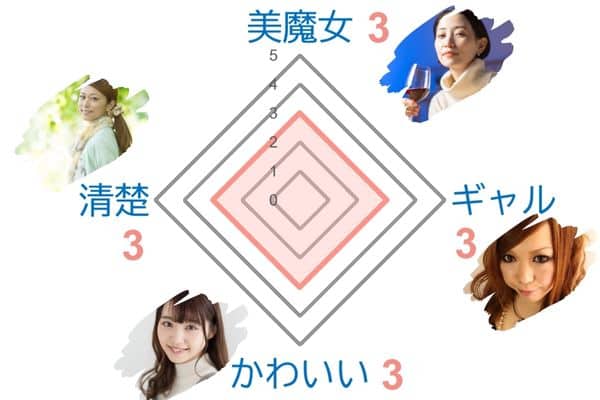
女性会員の特徴
おすすめポイント
MITSUMITSUがおすすめのタイプ
- できるだけ早くママを見つけたい
- 個人情報はしっかり守りたい
- 業者やサクラに騙されたくない
MITSUMITSUのおすすめポイント
女性会員の8割以上が18~25歳と、若い女性が多いマッチングアプリです。
プロフィール画像や自己紹介なども含めて公開前に事前審査があるため、偽の情報に騙される心配がありません。
月額料金も他のアプリに比べて、リーズナブルな設定になっています。
| MITSUMITSU | paters | paddy | |
| 1ヶ月 | 6,500円 | 12,000円 | 10,800円 |
| 3ヶ月 | 14,800円 | 29,800円 | 27,800円 |
| 6ヶ月 | 24,800円 | 54,800円 | 48,800円 |
| 12ヶ月 | 34,800円 | 84,800円 | 64,800円 |
お金をあまりかけられない方にもおすすめです。
口コミ・レビュー
MITSUMITSUの口コミ・レビュー
評価:★★★★★
年齢確認が面倒に思えたけど、若い女性とも安心して会えることを考えるとまあ納得です。
評価:★★★★☆
使い方がとっても簡単で、迷わずに募集ができました。
上手くいかないことも多いけど、手軽に利用できるからほぼ毎日募集しているけど負担になりません。
評価:★★★★★
ランキング上位の女の子は無理だったけど、他の子とは何度かデートを楽しむことが出来ています。
地味なタイプを誘うと、上手くいきやすいかな。
評価:★★★★★
デートが出来る日が分かるので、会える女性がすぐに見つかります。
後は好みで選べば良いだけだし、簡単で便利なアプリですよ。
12華の会メール
※18歳未満の方は利用できません。
ハイクラス女性の利用も多く、熟女好きにピッタリです
基本情報
| URL | https://hana-mail.jp/ |
|---|---|
| 会員数 | 非公表 |
| 男性料金 | ポイント制(1pt=10円) (消費ポイント例) 掲示板に投稿する:10p 掲示板を見る:2p メール送信:10p メールを見る:2p プロフィールを見る:2p 画像を見る:6p |
| 女性料金 | 0円 |
| 初回特典 | 2000円分のポイントがもらえる ※タイミングによっては2500円 |
| その他特典 |
|
| 女性の年齢層 | 女性:30~60代 |
| 男女比 | 男性7:女性3 |
| サービス形態 | アプリ版、Web版 |
| 特徴 | 男女30代以上の中高年向けマッチングサイト。ハイスペックな女性も多く、若さアピールでママ活に乗ってくれる女性も。 |
| 運営会社 | インターワークス株式会社 |
| 運営開始年 | 2011年 |
| 安全への取り組み | 男女とも本人確認・年齢確認必須 異性紹介事業届出済 電気通信事業届出済 ブロック機能 通報機能 24時間365日監視体制 SSLによる通信の暗号化 |
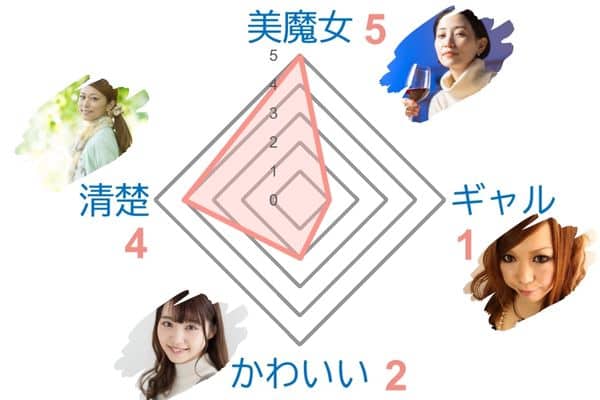
女性会員の特徴
おすすめポイント
華の会メールがおすすめのタイプ
- 熟女が良い・熟女でも問題ない
- マッチングサービスに不慣れ
- 独身貴族ママを希望
華の会メールのおすすめポイント
中高年をターゲットにしているのが特徴で、実際の会員の年齢層も
40代:22%
50代:30%
60代:13%
70代以上:10%
と、50代が30%と1番多いのがポイント。
経済的に余裕のあるママが多い印象です。
サポート体制も充実していて、操作方法などは専任のオペレーターが対応してくれますよ。
また、新規登録をすると1,500円分の無料体験ができます。
メール送信は10ポイントなので15通分。
見込みのある女性に絞り込めば、無料体験だけで充分に出会いが成功できますよ。
口コミ・レビュー
華の会メールの口コミ・レビュー
評価:★★★★☆
年齢的に出会いが難しいと思ってましたが、こういった中年でも利用しやすいサービスはありがたいです。
若い女性も少なく、落ちついて利用できるので助かっています。
評価:★★★★★
お互いに人生経験があるためか、安心してやりとりが出来るサイトだと思います。
変な誘いをする女性もいないので、不慣れでも利用しやすいです。
評価:★★★★★
ポイント制なので仕事が忙しい時は利用できませんが、お金が無駄にならないのがいいですね。
ポイントも良心的で、気軽に出会いを探せています。
評価:★★★★★
他の出会い系サイトだと恥ずかしかったけど、華の会メールは自分の年齢を気にせずに募集できるのが良いです。
これからの人生を楽しみたいと思います。
13イククル
※18歳未満の方は利用できません。
人妻や経営者など、他人の目を気にする女性が利用しやすいマッチングサービスです
基本情報
| URL | http://194964.com/ |
|---|---|
| 会員数 | 1,500万人 |
| 男性料金 | ポイント制(1pt=10円) (消費ポイント例) 募集内容を見る:1pt メッセージを送る:5pt プロフィール画像を見る:2pt |
| 女性料金 | 0円 |
| 初回特典 | 800円分のポイントがもらえる |
| その他特典 |
|
| 女性の年齢層 | 女性:20~30代 |
| 男女比 | 男性7:女性3 |
| サービス形態 | アプリ版、Web版 |
| 特徴 | 会員数1,500万の大手マッチングアプリ。遊び目的の年上女性も多いため、ママ活に乗ってくれることも。 |
| 運営会社 | プロスゲイト株式会社 |
| 運営開始年 | 2000年 |
| 安全への取り組み | 男女とも年齢確認必須 異性紹介事業届出済 電気通信事業届出済 ブロック機能 通報機能 24時間365日監視体制 SSLによる通信の暗号化 |
女性会員の特徴

おすすめポイント
イククルがおすすめのタイプ
- ママ以外にセフレなども見つけたい
- ママ活を安く成功させたい
- 信頼できる運営会社が良い
イククルのおすすめポイント
イククルは会員数が約1,500万人と国内でトップクラス。
アクティブユーザーも多く、ママ活をはじめ様々な目的の出会い募集で使われています。
新規登録すると最大80ptプレゼントがあり、このポイントでメッセージを10回以上送ることが可能です。
また、男性でも日記の閲覧などは無料でできるので、コメントを残してそこから仲良くなるチャンスもあります。
日記は女性の投稿が多く、写真を掲載していることが多いのも嬉しいですね。
その他にも、1日1回無料で募集の書き込みができるのも特徴。
ポイントの消費を抑えながら、効率よくママに出会いたい方におすすめです。
口コミ・レビュー
イククルの口コミ・レビュー
評価:★★★★★
正直、若い子が多いし人妻と出会うのは難しいかなって思ってました。
でも逆に若い子狙いの男が多いせいか、30~40代を狙うと上手くいくのでいい出会い系サイトですよ。
評価:★★★★☆
会員が多いから、どうしても良い男ばかり美味しい思いをしている気がします。
だから最近は地方を中心に探して、何とか成功している感じですね。
評価:★★★★★
そこまでポイントも消費しないし、ちょっとお金に余裕がない時でも出会いが探せるのがいいです。
手数に頼らなくても出会いが見つかるので、メインアプリになってます。
評価:★★★★★
最初は会うことに不安もありましたが、優しく接してくれる方が多く、今では何人かの女性とデートを楽しみました。
素敵な相手が多いため、嬉しい悩みで困っています。
14tinder(ティンダー)

※18歳未満の方は利用できません。
日本国内にも会員は多く、出会いにもピッタリです
基本情報
| URL | https://tinder.com/ja |
|---|---|
| 会員数 | 1070万人(有料会員) |
| 男性料金 | 基本機能:0円 機能追加版1,200円/月~ |
| 女性料金 | 基本機能:0円 機能追加版1,200円/月~ |
| 初回特典 | – |
| その他特典 | 不定期で月額料金の半額キャンペーンあり |
| 女性の年齢層 | 女性:20~60代 |
| 男女比 | 男性6:女性4 |
| サービス形態 | アプリ版、Web版 |
| 特徴 | 世界最大級のマッチングアプリ。幅広い年代に人気で、ママ活女性も多数利用。 |
| 運営会社 | MG Japan Services 合同会社 |
| 運営開始年 | 2012年 ※日本は2019年 |
| 安全への取り組み | 年齢確認必須 異性紹介事業届出済 電気通信事業届出済 ブロック機能 通報機能 24時間365日監視体制 SSLによる通信の暗号化 |
女性会員の特徴
おすすめポイント
tinder(ティンダー)のおすすめポイント
Tinderには無料会員のほかに「tinder Plus」「tinder Gold」「tinder Platinum」の3種類の有料会員があります。
| Plus | Gold | Platinum | |
| 1ヶ月 | 1,200円 | 3,400円 | 4,300円 |
| 6ヶ月 | 4,600円 | 12,600円 | 15,800円 |
| 12ヶ月 | 6,000円 | 16,800円 | 21,800円 |
無料会員でもチャット機能は使えるのですが、広告が表示されたりLikeといった手軽なアピールできなかったりと少し不便です。
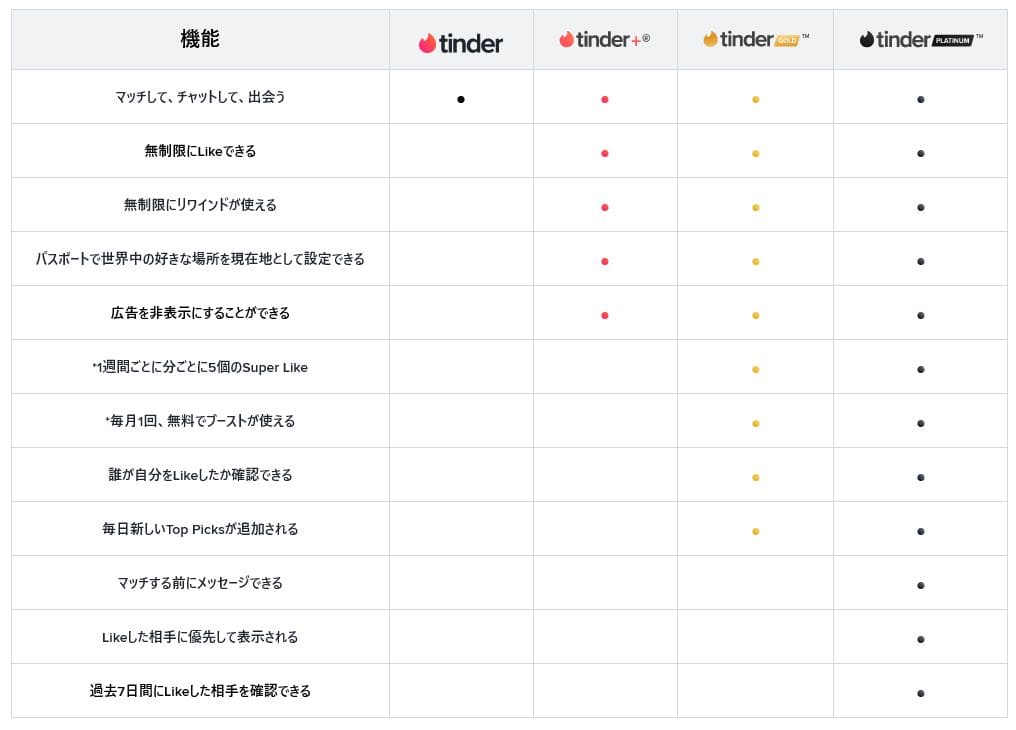
効率的にママを探すのであれば、tinder Plusよりはtinder Goldがおすすめ。
tinder Gold以上だと誰があなたにLikeしたか確認できるため、マッチングが圧倒的に簡単になりますよ。
口コミ・レビュー
tinder(ティンダー)の口コミ・レビュー
評価:★★★★★
あまりえり好みをせずにどんどんとlikeをしていると、それなりにマッチすることがあります。
ただ相手の好みや条件が分からないし、会って楽しいかは別問題。
評価:★★★★★
見た目重視でどんどんと絞り込めるし、簡単に利用出来るのは良いですね。
細かい条件を気にしないのは、やっぱり海外のサービスっぽい。
その分、ちょっとした空き時間にも楽しんでます。
15Pairs(ペアーズ)

※18歳未満の方は利用できません。
男女ともに身バレを心配せずに出会いが探せる、人気のマッチングアプリです
基本情報
| URL | https://www.pairs.lv/ |
|---|---|
| 会員数 | 2000万人以上 |
| 男性料金 | 1か月プラン3,700円 3か月プラン9,900円(3,300円/月) 6か月プラン13,800円(2,300円/月) 12か月プラン19,800円(1,650円/月) ※別途有料オプションあり |
| 女性料金 | 0円 ※オプション機能は有料 |
| 初回特典 | 初回マッチングから60分間大幅割引SAIL 3ヶ月プラン3,300円/月→3,100円/月 6ヶ月プラン2,300円/月→2,200円/月 12ヶ月プラン1,650円/月→1,400円/月 |
| その他特典 |
|
| 女性の年齢層 | 女性:20~40代 |
| 男女比 | 男性3:女性2 |
| サービス形態 | アプリ版、Web版 |
| 特徴 | 会員数2000万人の大手マッチングアプリ。AIレコメンドで理想の相手探しをサポート。出会いの豊富さからママ活女性にも会える。 |
| 運営会社 | 株式会社エウレカ |
| 運営開始年 | 2012年 |
| 安全への取り組み | 男女とも年齢確認必須 異性紹介事業届出済 電気通信事業届出済 ブロック機能 通報機能 24時間365日監視体制 SSLによる通信の暗号化 |
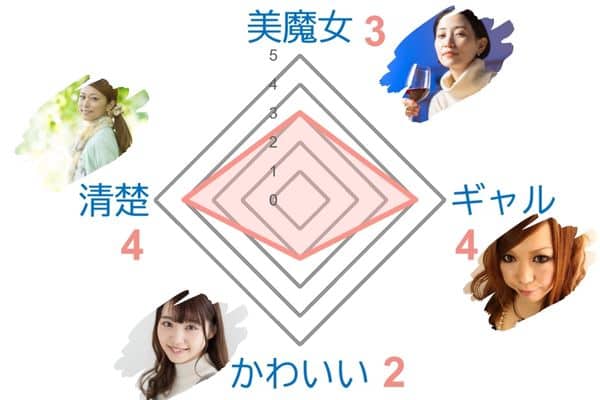
女性会員の特徴
おすすめポイント
Pairs(ペアーズ)のおすすめポイント
ペアーズには様々なコミュニティがあり、相性の良い女性を探しやすいのが特徴です。
女性にも有料プランが用意されているので、他のアプリに比べて質は高くなっています。
男性会員には「無料会員」「有料会員」「プレミアムオプション」の3つあります。
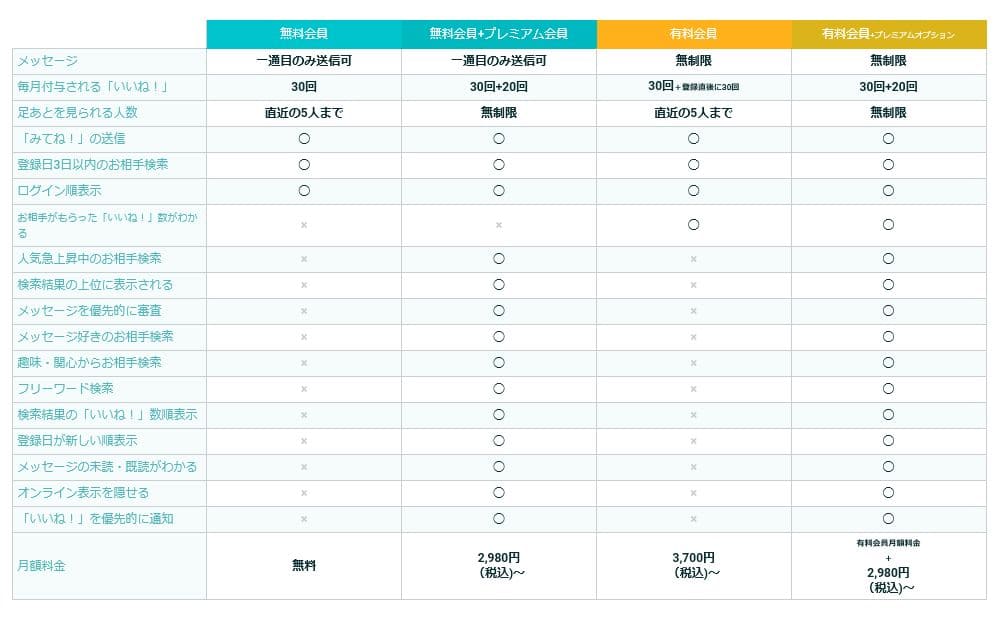
出会いを探すだけならプレミアムオプションで充分です。
良い女性を見つけてから、有料会員になると無駄な出費が減らせます。
ファミリーマートでPairsプリペイドカードを購入することができるので、クレジットカードを持っていない方でも大丈夫ですよ。
口コミ・レビュー
Pairs(ペアーズ)の口コミ・レビュー
評価:★★★★☆
アプリだから気軽に利用できるけど、真面目な利用者も多いから注意しないと揉めそうで…
会員数は多いから、しっかりと狙いを絞ってアプローチする必要がありますね。
評価:★★★★☆
コミュニティが色々と揃っていて、話の盛り上がる仲間も見つかります。
でもデートにこぎ着けるまでは、他のアプリより少し大変な気がします。
評価:★★★★★
女性会員は多いし、何日か空けて利用するとまた新しい女性が増えているしで、いつも楽しいです。
普段は無料会員で、かわいい子がいたときに課金しています。
評価:★★★★★
雑誌で紹介されているのを見て、ペアーズを選びました。
こっそりと利用することもできるから、安心して好みの女性を探すことができます。
項目別のおすすめママ活アプリ・サイト
次は、「安全性」や「料金が安い」などの項目ごとにおすすめのママ活アプリ・サイトを紹介していきます。
ランキングと併せてこちらも参考にしてください。
利用料金が安いママ活アプリ・サイト
| サービス名 | 料金形態 | ポイント内容 |
|---|---|---|
| ワクワクメール |
ポイント制 | メッセージを送る:5pt 募集の書き込みを見る:1pt プロフ画像を見る:2pt |
| ハッピーメール |
ポイント制 | 掲示板への書き込み:5pt メッセージを送る:5pt いいね送信:1pt |
| Jメール |
ポイント制 | メッセージを送る:7pt 掲示板を見る:1~3pt 掲示板画像を見る:3pt |
無料特典が豊富なママ活アプリ・サイト
| サービス名 | 無料特典の内容 |
|---|---|
| ワクワクメール |
登録で1,200円分ポイントプレゼント |
| ハッピーメール |
登録で1,200円分ポイントプレゼント |
| Jメール |
登録で最大1,000円相当Ptプレゼント |
女性の利用者が多いママ活アプリ・サイト
| サービス名 | 会員数 | 女性の年齢層 |
|---|---|---|
| ワクワクメール |
1,100万人以上 | 20~40代 |
| Jメール |
1,000万人以上 | 20~40代 |
| SILK |
100万人以上 | 30~50代 |
太ママが多いママ活アプリ・サイト
太ママに出会えた人数は、私や当サイトの調査員が利用していて、相場以上のお手当をくれたママの人数を記載しています。
| サービス名 | 女性の年齢層 | 太ママに出会えた人数 |
|---|---|---|
| ワクワクメール |
20~40代 | 8人 |
| Jメール |
20~40代 | 5人 |
| PCMAX |
20~40代 | 4人 |
安全性が高いママ活アプリ・サイト
| サービス名 | 安全性の内容 |
|---|---|
| Jメール |
男女とも年齢確認必須 異性紹介事業届出済 電気通信事業届出済など |
| ペイターズ |
男女とも本人確認・年齢確認必須 スクショ禁止機能 異性紹介事業届出済 電気通信事業届出済など |
| PCMAX |
男女とも年齢確認必須 異性紹介事業届出済 電気通信事業届出済など |
20代男性におすすめのママ活アプリ・サイト
| サービス名 | 男女比 | 女性の年齢層 |
|---|---|---|
| ワクワクメール |
男性6:女性4 | 20~40代 |
| Jメール |
男性6:女性4 | 20~40代 |
| デザイア |
非公開 | 30~50代 |
30代男性におすすめのママ活アプリ・サイト
| サービス名 | 男女比 | 女性の年齢層 |
|---|---|---|
| Jメール |
男性6:女性4 | 20~40代 |
| デザイア |
非公開 | 30~50代 |
| SILK |
非公開 | 30~50代 |
ママ活アプリ・サイトの失敗しない選び方


実際にいくつか使ってみて、自分に合うものを見つけるのも大切よ。
ママ活アプリ・サイトの選び方のポイント
30~50代の女性がたくさんいるアプリ・サイトを選ぶ

未成年はもちろん、若すぎる女性はお金を持っていないことが多いからママ活の対象には向いていません。
そもそも、若い女性たちがアプリやサイトを利用する目的は、ママ活ではなく恋人探しやセフレ探しです。
ママ活目的でアプリ・サイトを利用するなら、時間やお金に余裕が出てくる30~50代の女性が多いサービスを選びましょう。
| 30~50代の女性が多いママ活アプリ | |||
|---|---|---|---|
 ワクワクメール ワクワクメール |
 Jメール Jメール |
 デザイア デザイア |
 ハッピーメール ハッピーメール |
検索条件などの機能が豊富なアプリ・サイトを選ぶ
全国にはたくさんのママ候補がいるため、アプリやサイトの検索機能は必須です。
特に、地域や年齢の検索機能は欠かせません。
もちろん上記おすすめランキングのママ活アプリやサイトなら、検索機能は完備。
自分と性格や生活習慣が合うママと出会えれば、その後のママ活がグッと楽に進められますよ。
相性の良いママを探すためには、ルックスや趣味、職業などの絞り込みも行えるママ活アプリ・サイトを選ぶことが大切です。
| 検索項目が多いママ活アプリ | ||
|---|---|---|
| ワクワクメール |
 PCMAX PCMAX |
ハッピーメール |
自分に合った料金プランで選ぶ
ママ活アプリやサイトには、無料と有料のサービスがあります。
無料のママ活アプリやサイトは、気軽に手が出しやすいですよね。
だからママ活初心者ほど、利用したいと考えてしまいます。
しかし無料であるがゆえに、詐欺や営業目的で利用している人が多いのも事実。
一方で有料のママ活アプリやサイトは、監視体制が整っていて安全性が高いのが特徴です。
どちらにもメリットとデメリットがあります。
実際に色々と利用して、あなたが活動しやすいサービスを選ぶのがおすすめです。
有料のアプリやサイトは「初回無料」や「1か月無料」など、お試し期間のあるサービスから利用を始めるのがおすすめですよ。
| ポイント制でお得なママ活アプリ | |||
|---|---|---|---|
| ワクワクメール |
Jメール |
ハッピーメール |
|
セキュリティ対策がしっかりしているアプリ・サイトを選ぶ
セキュリティが疎かなアプリやサイトは、詐欺や営業が放置されやすいので注意。
さらに、アプリ・サイトによっては個人情報の収集だけで、ママ活が機能していないことも。
ママ活初心者を狙った詐欺や営業は非常に多いから注意してください。
ママ活のアプリやサイトを選ぶ際は、運営会社が明確で監視体制が整っているサービスを利用しましょう。
24時間365日の監視体制のママ活アプリやサイトがおすすめです。
| セキュリティ対策がしっかりしているママ活アプリ | ||||
|---|---|---|---|---|
| ワクワクメール |
 ペイターズ ペイターズ |
Jメール |
ハッピーメール |
|
ママ活にはおすすめできないアプリやサイト

Queen
Queenはママ活専用のマッチングアプリです。
開始されてすぐの頃から「怪しい」と言われていたサービス。
インターネットやSNSで検索しても、利用者の口コミがありません。
さらに運営者情報や女性募集ページもないため、本当にママ活ができるのかも怪しいところです。
公式ラインは、QueenのツイッターアカウントにあるURLから追加できます。
実際にラインを追加してみると「THE CLUB」というよく分からないアカウントが表示されました。
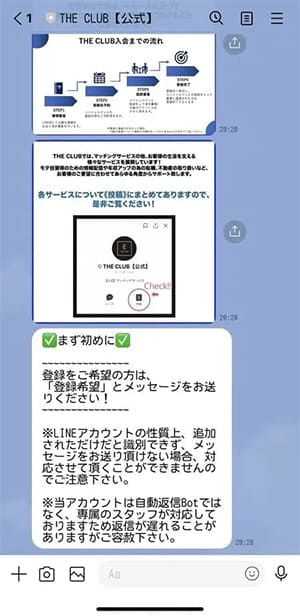
もちろん、Queenとどのような関連があるのかも不明です。
登録までに手間がかかる上、安全性も確認できない状態。
利用は控えるべきです。
MARIA(マリア)
MARIA(マリア)は、大人の女性をターゲットにしたマッチングアプリです。
登録できる男性は20代に限られています。
でも女性は、起業家や社長、女医など地位の高いタイプが揃っているのが特徴。
だから高額なお小遣いを貰えそうですよね。
でもMARIA(マリア)は現在、登録ができない状況です。
登録方法は、MARIA(マリア)の公式ラインアカウントから行います。
ラインアカウントは、公式サイトから追加可能です。
実際に公式サイトを訪問し、ラインを追加してみると「オトコの為の暮らしの学校」という名前のよく分からないアカウントが表示されます。
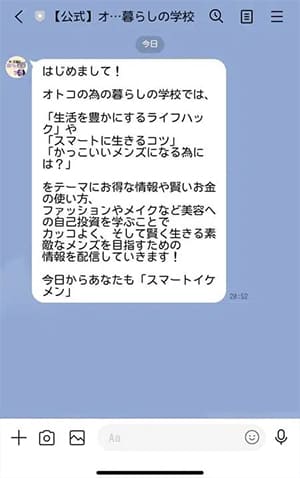
さらにMARIA(マリア)のインスタアカウントは削除されており、ツイッターアカウントは凍結。
登録ができないため、MARIA(マリア)を使うことは難しいでしょう。
ぬこペット
ぬこペットはまだリリースされていないため、使用できないマッチングアプリです。
もともと、2019年の冬頃にリリースされる予定でしたが、開発会社が倒産。
その後、ぬこペットに進展はなく、インスタやツイッターなどのSNSアカウントも停止されています。
「おねだり」機能や事前登録者限定の無料サービスがあったため、2018年頃までは注目を浴びていました。
今後動きがある可能性もありますが、少なくとも現在は使えません。
他のアプリやサイトでママ活を始めましょう。
ママ活専用掲示板
「ママ活掲示板」と検索すると、LINEのIDを交換するための掲示板がいくつかヒットします。
男性も無料で利用できるので一見便利に見えますが、100%ママと出会うことはできません。
それどころか、詐欺をたくらむ業者に引っかかってしまう危険性が高いです。
ワクワクメールやJメールの中にある「掲示板募集」であれば問題ないのですが、このような無料で利用できるママ活専用掲示板と謳っているものは使わないようにしてください。
SNS
ツイッターやインスタなどのSNSは、無料で利用できます。
だから始めやすく、あなたもママ活に活用したいと考えていたかも。
実際にツイッターで「ママ活」と検索すると、男性を募集しているママのアカウントがたくさん出てきます。
しかし、SNSには詐欺案件も数多く存在しているため注意が必要です。
投資や保証金の話をされたら詐欺案件なので、騙されないでくださいね。
ツイッターのアカウントに「ママ活」と表記すると、下記のようなメッセージがDMで届きます。
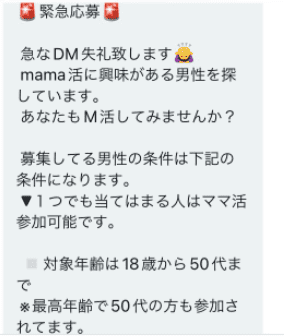
ママ活でお小遣いを稼げるどころか、お金を要求されることも。
個人情報だけを抜き取られる可能性もあるため要注意。
特にママ活初心者には、利用者の多いマッチングアプリやサイトの利用がおすすめです。
ママ活を無料で成功できるか?
お金に余裕がなくても、完全にママ活無料で成功するのは難しいから期待しないこと。
多少の出費を受け入れた方が、安全・効率的にママ活が成功できます。
お金が欲しい状況でも、無料サイトにこだわらない方が結果的に稼げるんです。
「男性無料」のサイトは要注意!
ママ活サイトは色々とありますが、「男性無料」サイトの存在は怪しいので注意してください。
「男性無料」は悪質サイトが多く、登録すると失敗する可能性が高いです。
そもそもママ活サイト(またはマッチングサイト)の運営には、様々な経費がかかることは想像できますよね。
女性無料サイトは存在しても、男性は有料にして、男性から売り上げを出すことが通常です。
男性も無料サイトとなれば、他の方法で運営費を稼ぐ必要があります。
広告収入が一般的ですが、充分な収入は期待できません。
そのため、実際は情報収集やお金を騙し取る、詐欺サイトが多いので注意してください。
SNSなどの無料サイトは詐欺が多い
Twitterやインスタなど、SNSの多くは男性も無料サイトですよね。
でもママ活無料とはならず、やはり危険なだけ。
なぜなら一見普通の女性に見えても、美人局や援デリ業者などのなりすましが多い状況だから。
無料だからこそ、バレても次々と別アカウントを簡単に作れるのが問題なんです。
SNS自体は優良サービスでも、詐欺アカウントなどの悪質利用者が多いので注意してください。
費用は最初だけだから「無料」にこだわる必要なし
ママ活で費用がかかるのは、女性と仲良くなるまでの話です。
仲良くなってからは、LINEやお使いのメアド、ショートメールなどを使って連絡ができます。
最初しかお金はかからないので、ママ活無料にこだわる必要はありません。
例えば、ワクワクメールなどは、ポイント制のママ活アプリです。
使う分だけポイントを購入すれば、リーズナブルに利用できます。
しかも年齢確認などがあるため、無料サイトと違い安全に利用できるのが特徴。
ママ活無料にこだわっても、騙されてママ活が成功できなければ意味がありません。
有料ママ活サイトの方が、結果的にスムーズに稼げるからおすすめです。
無料ポイントが貰えるママ活サイトも多い!
有料ママ活サイトでは、無料ポイントを貰えることが多いんです。
上記オススメママ活アプリ・サイトで紹介している、もらえる無料ポイントは次の通りです。
| ママ活サイト・アプリ | 貰えるポイント |
|---|---|
| ワクワクメール | 最大1,200円分 |
| ハッピーメール | 最大1,200円分 |
| Jメール | 最大1,000円分 |
| 華の会メール | 1,000円分 |
| イククル | 最大800円分 |
1,000円分程度のポイントが貰えれば、メールなら20通以上も送れるんです。
だから追加購入しなくても、ママ活が余裕で出来ます。
ちなみに月額制サイトは基本的に定額なので、無料ポイントはありません。
お金がかかりそうに思えても、無料ポイントで意外と安くママとの出会いが見つかります。
ママ活無料ポイントは、基本的にサイトへの新規登録で貰えます。
だから同じママ活サイトを使い続けるよりも、複数のサイトを使った方がお得です。
もちろん素敵なママ候補が多いなら、同じサイトを使い続けるのもあり。
無料ポイントはお試し用として貰いますが、購入ポイントと同様に使えます。
最初から真剣にママ活に使えば、無料分だけで出会うことだって可能。
ママ活無料ポイントがあるため、お金に余裕がなくても成功できるので安心してください。
ママ活アプリ・サイト以外でママを探す方法
ランキング形式で、おすすめのママ活アプリやサイトを紹介しました。
その他にもママに会う方法はいくつかあります。
メリット・デメリットをまとめたので参考にしてください。
街中やバーなどでナンパ

街中やバーなどでママを探す(ナンパする)方法のメリットは、あなたの好みの女性を選べることです。
どうせママ活をするなら、自分好みの容姿をした女性を選びたいですよね。
ただ、ナンパには大きなハードルが2つあります。
1つ目がママ活をしたいと思っている女性か、見た目での判断が難しいこと。
せっかく仲良くなっても、ママ活の話をした途端に嫌な顔をされるのもざらです。
そもそもママ活をしたい女性は、日本中探しても一握りだけ。
それを街中で探すことは、非効率でしかないのがデメリット。
2つ目はかなりのイケメンか、コミュニケーション能力が高くないとまず成功しないこと。
ママ活相手を探す場合、通常のナンパ以上に難易度が高いから期待しすぎないように。
友達や知り合いからの紹介など

友達や知り合いからの紹介という手も一応あります。
しかしこれには、友達や知り合いがママ活をしている、紹介できる立場にないといけません。
でもママ活男子は、隠して活動しています。
だから既存のママ活相手からの紹介はよくありますが、友達や知り合いからの紹介はほとんど無いんです。
また、紹介してもらうとリスクも高まることに。
嫌な相手だったとしても、関係を続けなければならない事に。
もちろんママ活関係が筒抜けなのも不安ですよね。
ママ活を他の友人達にバラされるかもしれないなど、リスクを考えておいてください。
結果的にリスクに見合わないため、ママ活は個人で行うのが賢明です。
ママ活相手を探す方法は数あれど、おすすめできる方法はママ活専用アプリか出会い系サイトで探すかの2つのみとなります。
それぞれにメリット・デメリットがありますが、基本的にはママ活専用アプリで探すのが効率的です。
ちなみに出会い系サイトを利用すれば、ママ活以外の出会いも見つけやすいから便利。
アプリやサイトを使ってママを探すときの注意点

あなたはさっそくママ活サイトなどで、ママを探そうと思ったかも。
でも注意点を読んでからでも遅くはありません。
ママ活を焦れば、悪いママを判断できずに騙される可能性もあります。
稼ごうと思っていたのに、実際にやってみたらどんどんお金が減っていく…なんてことも。
ママ活前に注意点を知って、良いママを見分けられるようになってください。
業者や美人局には気を付ける

ママ活サイトやSNSで気を付けたいのが、業者や美人局の存在です。
ママ活での業者とは、顔合わせで
- 保険の書類を見せてくる
- スピリチュアル系のグッズを買わせようとしてくる
- 風俗嬢の営業
- 水商売の営業
といった人のことを指します。
美人局とは、待ち合わせで怖い顔の男性が出てきて「俺の女に手を出してんじゃねえぞ」と言われるような状況です。
ドラマなどで見かけますし、最近も男子高校生が12万円脅し取られて話題になりましたね。
ネットでは、男性を簡単に集める方法があります。
それは、露出の激しいエッチな服装をするだけ。
業者や美人局の女性は、露出が激しい写真を載せているのが特徴。
若い男性は、比較的簡単に引っかかってしまう罠です。
あまりに露出の高い女性は避けて自分の身を守ってください。
前金を要求するママとはすぐに別れる
大人の関係になる前に「妊娠した時の保険として最初に5万円いただけますか?」と言ってくるのが、前金の要求です。
妊娠した時の保険と言われると、納得してしまいそうですよね。
でもお互い合意の上での肉体関係なので、責任はママの方にあります。
前金の話を信じて5万円を渡した時は、もう二度と会えないと思って良いでしょう。
あくまでもお金目的の援デリの可能性が高いケースです。
ママ活男子が女性にお金を渡すケースはありません。
必要なお金は、交通費や身だしなみにかかる金額だけです。
それ以外は絶対に信じないようにしてください!
個人情報は教えないようにする
ママ活では、個人情報を話すのは絶対に避けてください。
あなたを気に入ったために、ママがストーカーになる場合があります。
それ以外でも個人情報の悪用が目的のママもいるので注意してください。
個人情報を業者に教えてしまったら、騙されやすい若い男性として悪質業者間に出回ってしまいます。
次々と変な連絡が来て、後を絶たなくなることも。
安全のためにも、ママには個人情報を教えないこと。
出来るだけ自分の「設定」を考えておくとボロが出にくいです。
また、ママのプライベートについてもあまり聞かないようにしましょう。
一定の距離感がママ活を上手く続けるコツですよ。
お金は先に受け取る

デートが終わったのに、お金をくれないまま解散…ということも。
特に大人の関係の場合は、必ずお金は先に受け取ることが大事です。
先に貰うクセを付けておけば、デートをしたのにお小遣い無しという悲しい結果を避けられます。
これは月極契約の場合も同じ。
月のお小遣いは必ず最初にもらい、その後デートを重ねていくと安心です。
中には
- セフレを作りたいだけ
- 若い男性を騙して楽しんでいる
という女性も。
お金をくれるママか、逃げたりしないか見極めてママ活をしてください。
貴重品が盗まれないように管理する
ママ活を装って、ホテルなどであなたの貴重品を盗む女性もいます。
ママ活中に窃盗に遭ったとなれば、警察に相談するのも恥ずかしいですよね。
だから被害に遭わないように、デート中は貴重品の管理をしっかり行うこと。
ママ活のデートには、高級品は持たずに行くのがおすすめ。
所持金も交通費プラス程度にしておくと安心です。
顔合わせでホテルに誘われた場合、窃盗目的の可能性大。
あなたがシャワーに入っている間に、お金などを盗まれるかも。
運が良いと思わずに、女性の行動を怪しむクセを付けてください。
良いママもいれば、悪いママもいるのが当たり前の世界です。
最初のうちは、既婚者ママを狙うか、昼間空いた時間で少しママ活をする程度が良いでしょう。
慣れてきたらママ活の時間を増やせば良いだけ。
騙される確率も減り、確実に稼げますよ!
自分を守れるのは自分だけ。
お金の管理はきっちりして、稼げるママ活男子を目指してくださいね!
さっそく良さげなママを見つけました!
後は素敵なママと、良い関係を築くだけよ!
未成年とはかかわりを持たない
ママ活やパパ活で、マッチングアプリやSNSが賑わっています。
その分取り締まりも厳しくなっているので注意してください。
以前も17歳の男子高校生がママ活をしてニュースになっていましたよね。
それだけ、未成年でも普通のSNSで簡単にママ活が出来る状況なんです。
でもニュースになっているように、誰がどこで見ているか分かりません。
親にもバレるので未成年のうちはママ活はしないことが重要です。
もう少しで誕生日だからと言って、気軽に足を踏み入れないこと。
ママ活アプリ・サイトに関するよくある質問
ママ活は違法になりますか?
ママ活自体が違法にはなりません。
ただし、相手が未成年である場合は、肉体関係を持っていないとしても罪に問われてしまいます。
アプリ・サイトを登録するときは、必ず年齢確認があるサービスを使ってください
本当にママ活で稼ぐことはできるんですか?
ママとの関係を築いていくためすぐ稼ぐことは難しいですが、稼ぐこと自体は可能です。
実際に、私は月に数十万ほどお手当を貰っています。
調査員の平均は月23万円でした。
ママ活する女性はどこにいるんですか?
今回紹介した、ママ活アプリ・サイトが多いです。
逆ナンからママ活に発展することもありますが、これは稀なケースになります。
効率よくママを探すなら、アプリ・サイトに登録したほうが確実です。
アプリやサイトに登録すると迷惑メールや電話は来ないんですか?
悪質なアプリやサイトに登録するとかなりの量のメールや電話がくることがあります。
そのため登録するときは、「異性紹介事業届出済」や「電気通信事業届出済」の届け出があるのかをチェックするようにしてください。
この記事で紹介した中に、悪質アプリ・サイトいないので安心してください。
ママ活アプリ・サイトを活用して良いママを見つけよう!

ランキング上位のママ活サイトやアプリを使えば、初心者でも安全にママ活ができます。
ランキング外の出会い系サイトなどを利用する場合は、
などをチェックしてください。
安全で効率的にママ活が出来るサイトを選ぶことが大切です。
SNSやナンパ、紹介などの方法は、リスクや手間を考えると割りに合いません。
ママ活は、デート内容で相場が変わります。
だからママ活で相手が見つかったら、
といった解説したポイントを押さえてください。
ママに気に入って貰える可能性がアップし、簡単に相場以上に稼げるようになります。
いくらイケメンでも、女性への気遣いが出来ないと相手にされません。
ママ活で大切なのは、女性の心を動かせる力とママの理想に近付こうとする努力です!
最後まで「ママ活サイト・アプリおすすめランキング!安全で効率的にママ活ができるサービス20選」を読んでいただき、ありがとうございました。

現在ほど知られる前から、私はママ活の世界に足を踏み入れ、自身の成長と貴重な経験を積み重ねてきました。
ママ活はただ経済的な援助を受ける手段ではなく、個人の成長や豊かな人間関係の創造にも繋がる素晴らしい選択肢です。
ママ活は目標達成や夢の追求をサポートする有力なツールであり、多様なつながりや成長の機会を提供してくれます。
私はママ活が社会に与える影響や、倫理的な問題にも真摯に向き合っています。
読者の方々に新たな視点や気づきを提供し、前向きな視点でママ活を考えることで、より充実した生活を築く手助けになればと思っています。
私が運営するWebサイトを通じて、ママ活に興味を持つ方々が自己成長や幸福の追求に向けて積極的に活用できるようになることを願っています。